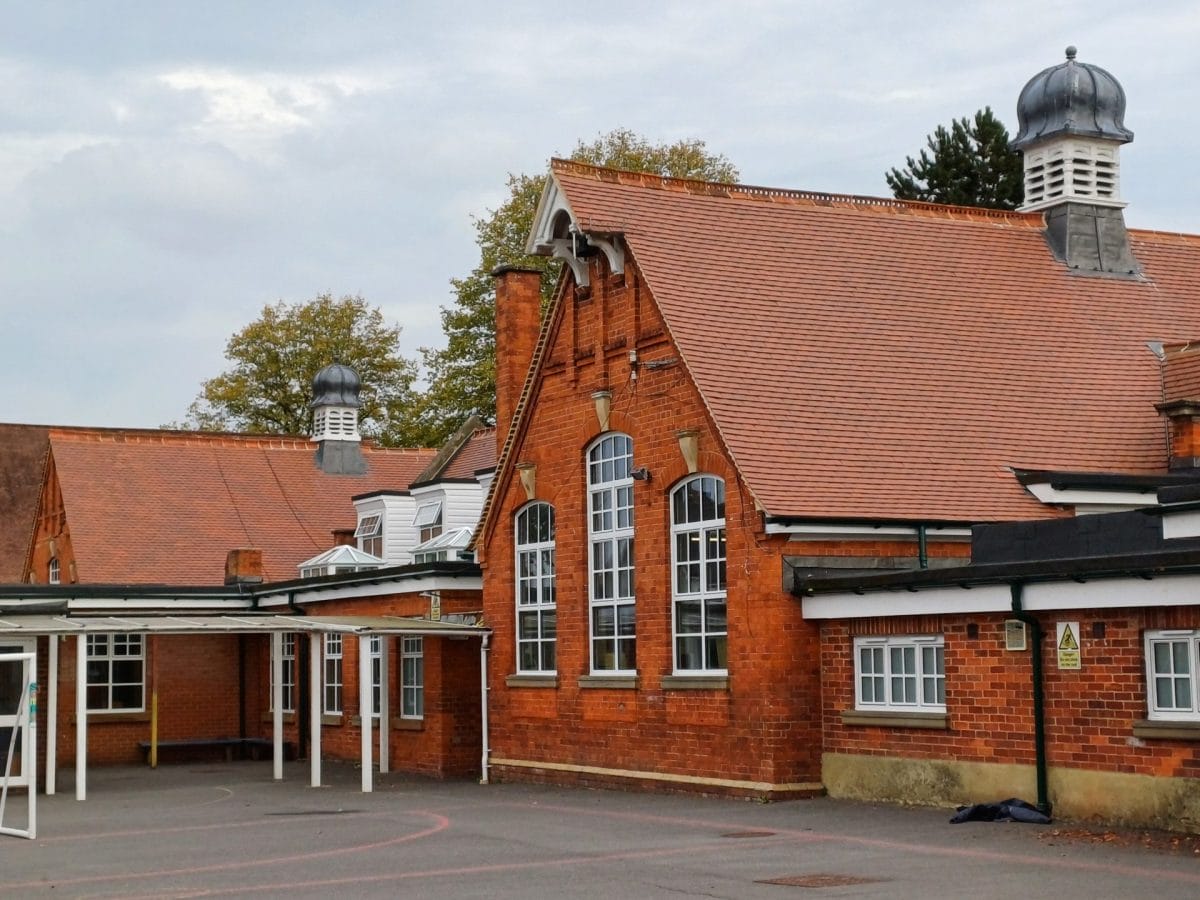
Using a two-stage tender process with early contractor involvement under a PCSA, we were appointed to deliver the construction, alteration and refurbishment of Park Lane Infant School and Park Lane Junior School in Tilehurst. Early engagement allowed the team to collaboratively plan a complex programme within a live educational environment, aligning design, logistics and sustainability objectives from the outset.
Works commenced in May 2024 and were carefully sequenced into multiple phases. The project was spread across three operational sites – Park Lane Infant School, Park Lane Junior School and Alfred Sutton Primary School – all of which remained occupied during term time. Access to unoccupied periods was limited to Reading Borough Council school holidays, making programme certainty and stakeholder coordination critical to success.
The sites are tightly constrained and surrounded by active school facilities. As a result, access, safeguarding, security, welfare, storage, noise and environmental controls were all carefully planned to ensure the schools could continue to function safely and normally throughout the works.
Park Lane Infant School
Works began at Park Lane Infant School with a series of enabling works to support staff and pupil decants into temporary accommodation. These initial interventions included internal alterations such as the removal of an existing sliding door and the installation of new partitions and solid core doors, creating safe and functional interim spaces.
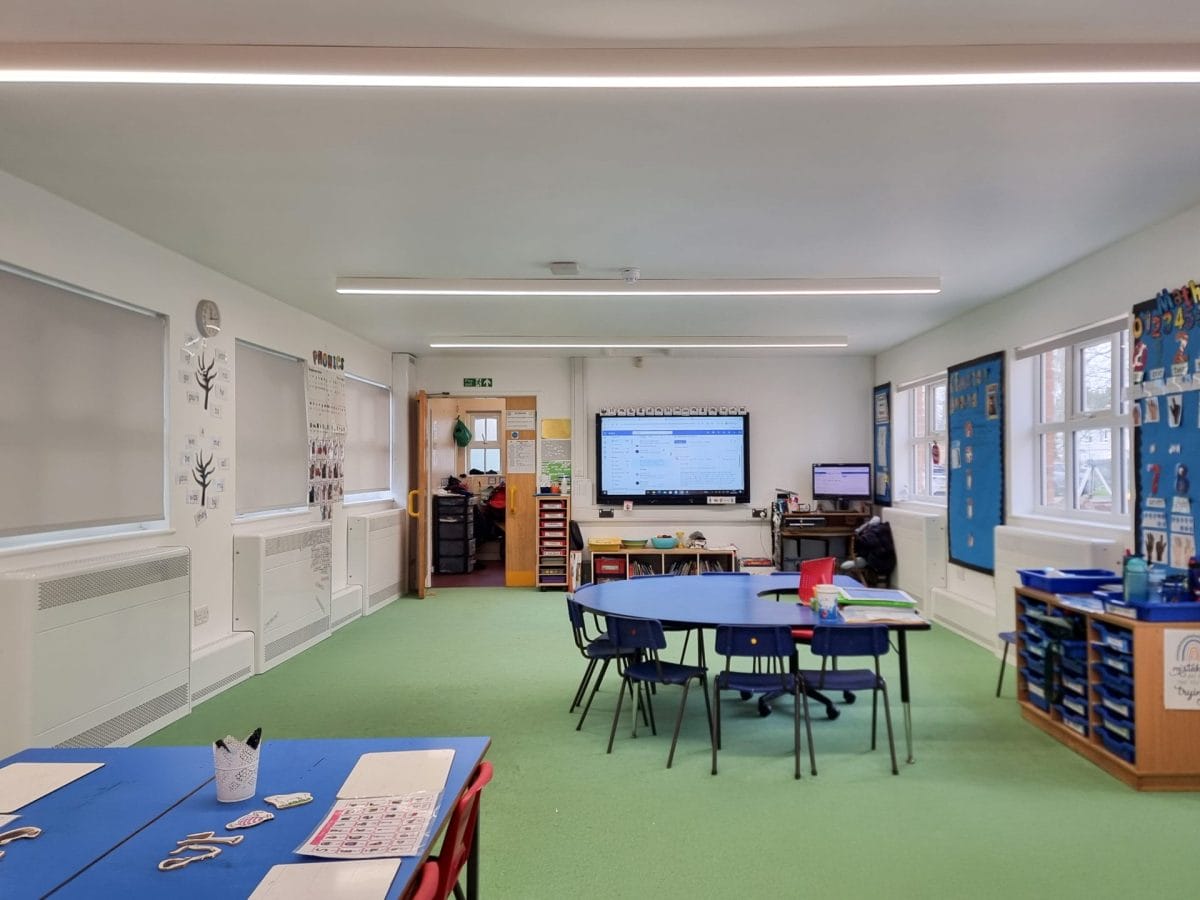
With these measures in place, refurbishment of an existing modular unit was undertaken. Internal demolition and reconfiguration delivered two new classrooms, complete with new finishes, suspended ceilings, modern lighting and associated external play areas. This allowed pupils to be decanted from an outdated external building, which was subsequently demolished to make way for a new, larger modular facility.
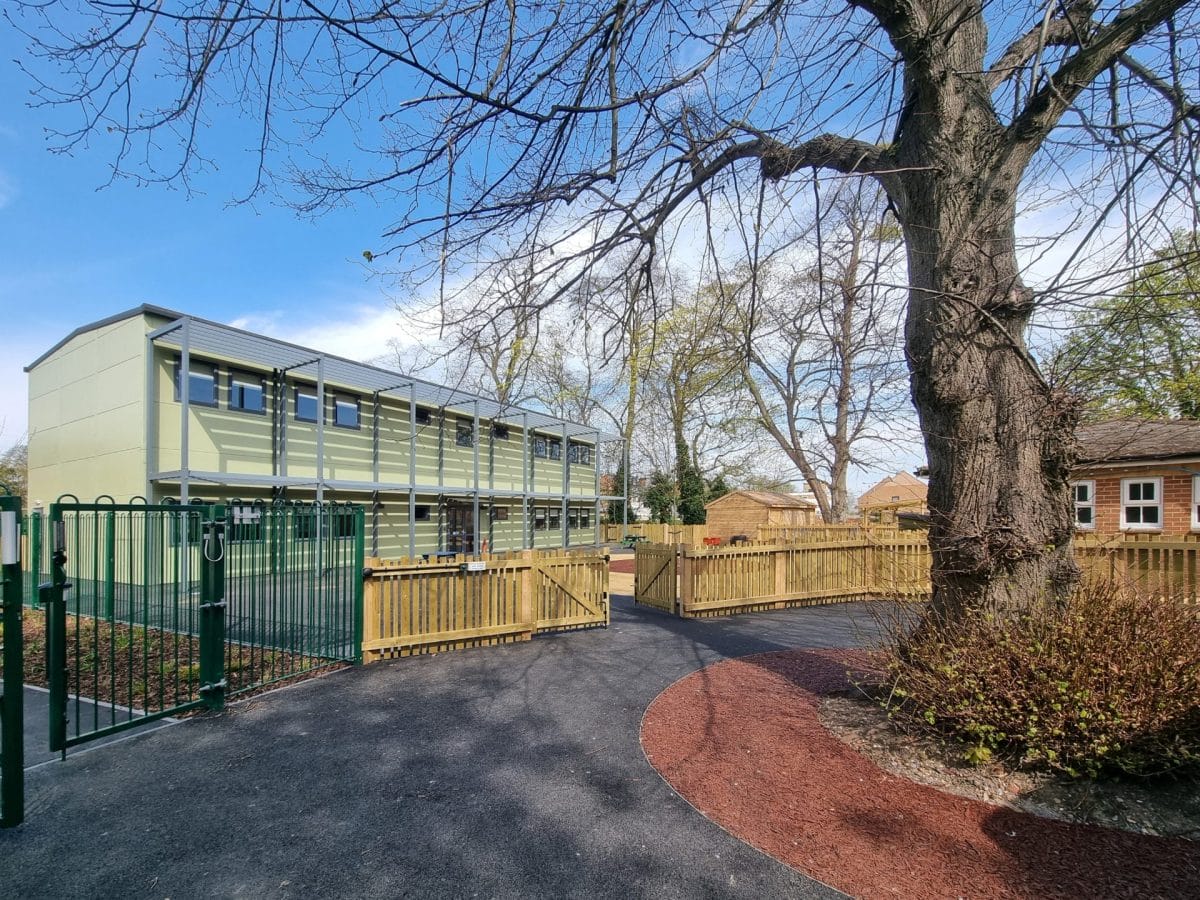
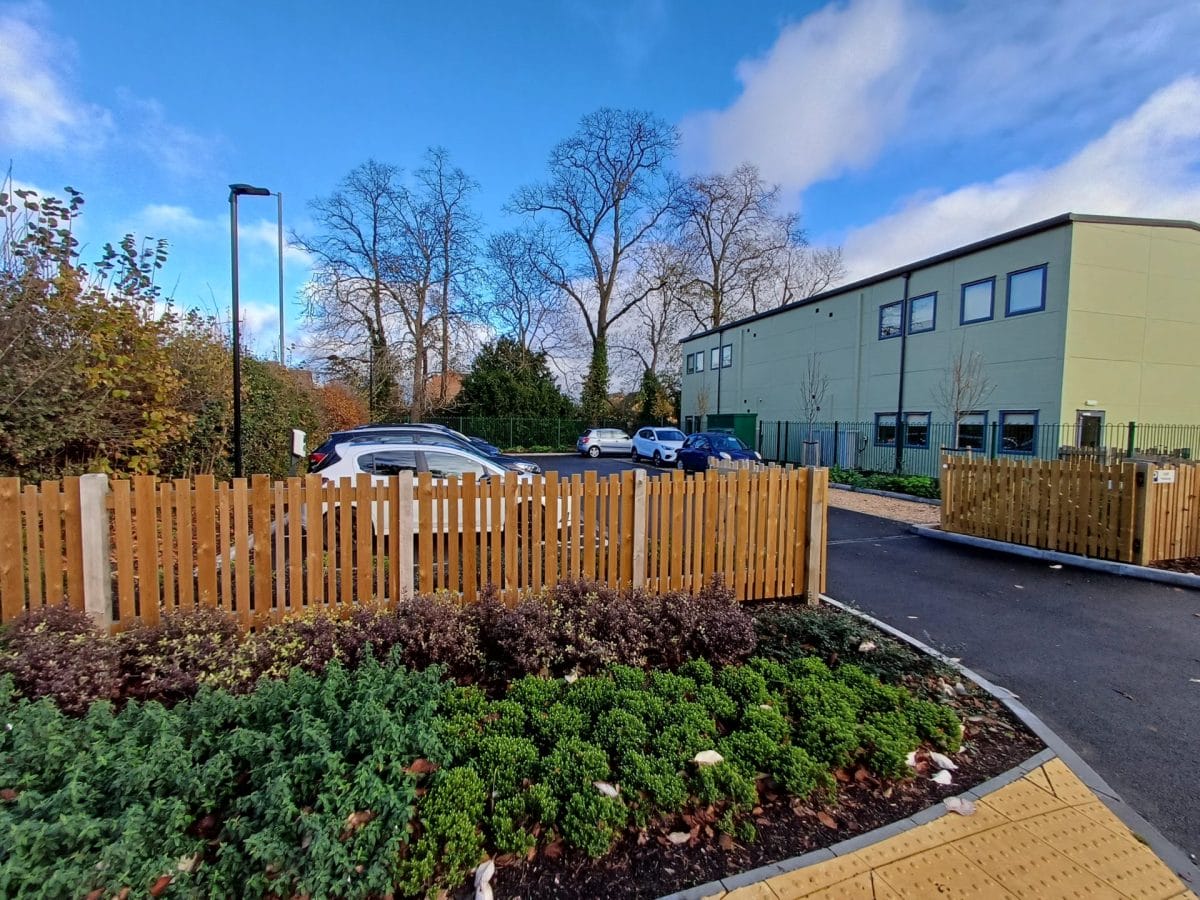
The new accommodation comprises 16 modular units, bolted together to form a two-storey, four-classroom block. Works included new foundations, drainage and services, alongside remodelling of existing staff WCs and the installation of new sanitaryware to provide facilities for both pupils and staff. External works included paving, landscaping, new boundary fencing and the creation of a new staff car park.
Further phased decants enabled the refurbishment of an existing classroom into a new staff room and PPA space, complete with a kitchenette. A new external door was formed by adapting an existing window opening, improving circulation and accessibility.
The installation of the modular building required careful logistical planning. Hardstanding for the proposed car park was constructed early to accommodate crane operations, while low loaders were positioned within the school entrance off the main carriageway. This approach satisfied council highways requirements and avoided disruption to passing motorists.
Externally, new play spaces were created for pupils using the modular building, including rubber crumb and hardstanding surfaces, covered play areas and external storage. The works also delivered new pedestrian routes, secure 1.8-metre-high metal fencing and gates, and additional staff parking spaces.
A key sustainability achievement was the relocation and reuse of the modular building, which was sourced from another school elsewhere in Reading. The process involved installing a temporary trackway across playing fields, disconnecting and dismantling the units, transporting them to site and reinstating the original location as a new external play area. This approach significantly reduced embodied carbon and extended the life of the building.
All works were delivered to a tight programme, ensuring that key pupil movements took place during the half-term break. Works at Park Lane Infant School were completed in April 2025.
Park Lane Junior School
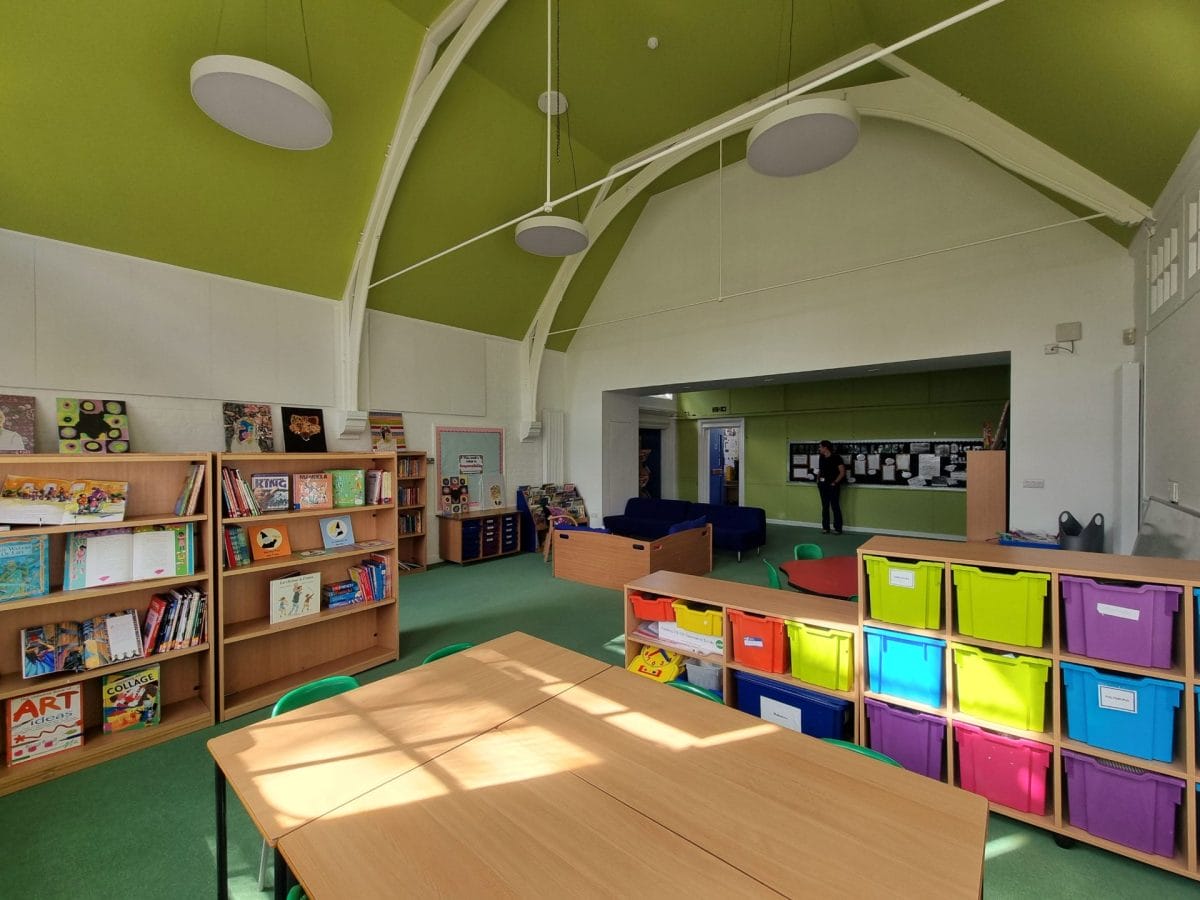
In line with the overall programme, works continued at Park Lane Junior School. The scope included the full replacement of existing Crittall windows, significantly improving thermal performance and comfort. Internal demolition and refurbishment created a new central library and group learning space, supporting modern teaching methods.
The works involved structural alterations, installation of steelwork, formation of new partitions, diversion of mechanical services, construction of new ceilings, carpentry works, decoration, replacement flooring and the installation of new fixtures, fittings and acoustic treatments. Francis Construction also improved the acoustic performance of existing partitions, refurbished internal glazing, undertook data installation works and replaced windows within the hall, toilet areas and other sensitive locations. Additional external maintenance works included repairs and redecoration to fascias and soffits together with the replacement of rainwater goods.
The later stages of the project focused on the comprehensive replacement of windows across the Junior School. Francis Construction completed the necessary surveys, developed and coordinated the design process, managed the manufacture of the new windows and delivered the installation works through a series of planned decants that maintained the continued operation of the school.
The final phase of the project involved the isolation and disconnection of services to the annex building, erection of hoarding, fencing and debris netting, demolition of the annex structure and reinstatement of the surrounding areas. Francis Construction extended the existing car park, widened the entrance access and completed all associated surfacing works prior to achieving practical completion of the project.
Existing PPA and kitchenette areas were refurbished to provide dedicated 1:1 and interview spaces, while a new reception desk, counter and sliding glazed screen improved both security and functionality. A redundant single-storey annexe building was demolished, enabling the creation of additional parking spaces and improving site layout.
Works at Park Lane Junior School were completed in October 2025.
Sustainability and environmental benefits
By refurbishing and relocating the modular building rather than constructing new, the project achieved a 34-tonne reduction in CO₂ emissions compared to 2018 figures, contributing to a significant reduction in Park Lane Primary School’s overall carbon footprint.
Prior to construction, ecological surveys were undertaken by Reading Borough Council to identify bats and other protected species. As part of the works, a stag beetle colony was relocated, additional trees and pollinator-friendly planting were introduced, and biodiversity across the site was enhanced.
Energy efficiency upgrades across the schools included new boilers, improved roof insulation, double-glazed windows and LED lighting. These measures have resulted in annual energy savings of 195,000 kWh, comprising 54,700 kWh at the Infant School and 140,000 kWh at the Junior School – equivalent to making 8.4 million cups of tea. Reduced energy consumption has also helped the school avoid approximately £17,500 in annual energy costs and improve its Display Energy Certificate rating.
New playgrounds and landscaped areas now provide spaces that promote exercise, healthy living and engagement with nature. The school’s growing garden and free fruit provision for infant pupils further support wellbeing and healthy choices.
To improve water efficiency and sustainable drainage, porous surfacing was used across playgrounds and parking areas, reduced-flush toilets were installed, and additional trees were planted to manage surface water runoff.
Sustainable travel has also been encouraged through the installation of a new EV charging point for staff, alongside new scooter and cycle racks that enable pupils and teachers to travel to school more sustainably.
Engagement with the school community
Throughout the project, we worked closely with Park Lane School to ensure the scheme delivered benefits beyond the physical improvements to the estate. We actively engaged with pupils and staff, creating opportunities to connect the school community with the transformation taking place around them.
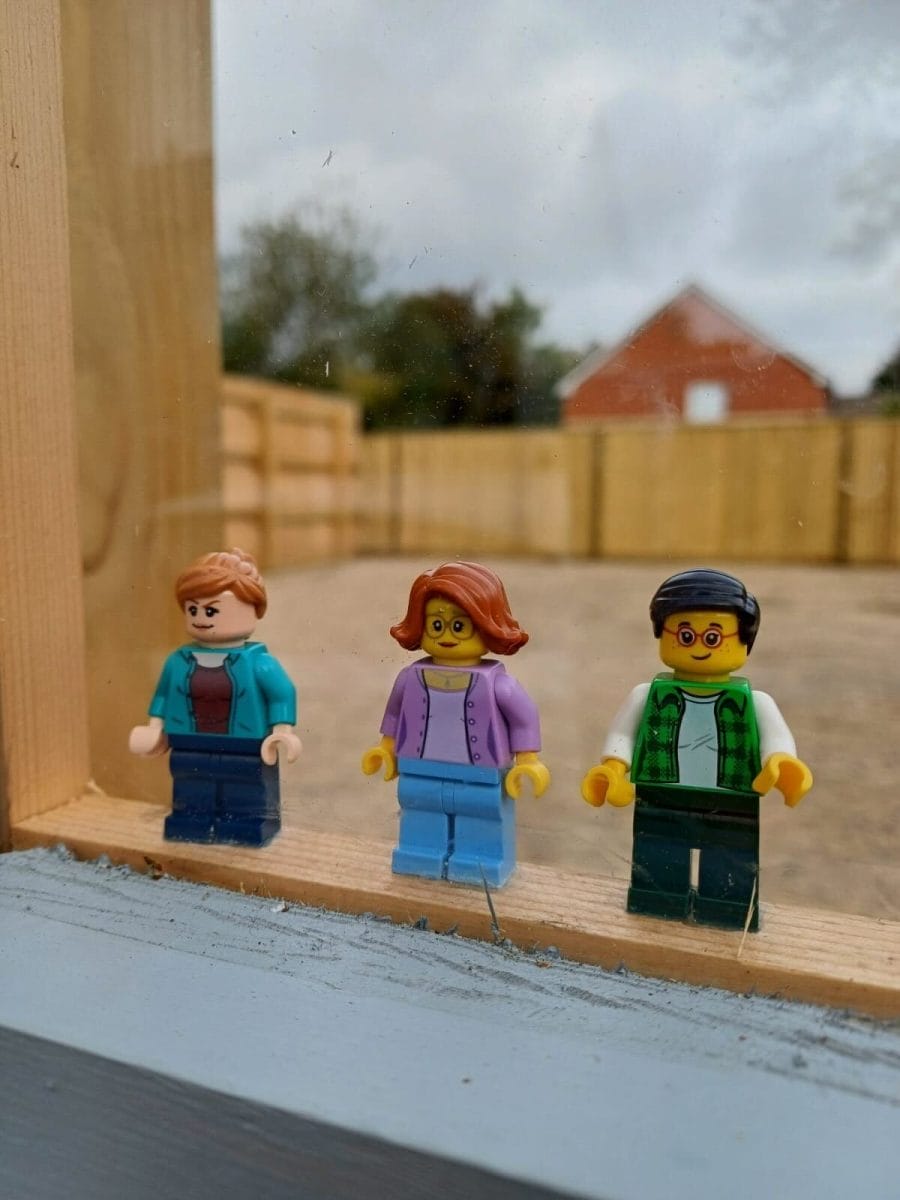
In March 2025, members of the project team, together with representatives from Reading Borough Council, delivered a series of interactive educational sessions for pupils at Park Lane School. Across five 90-minute workshops, groups of 23 to 26 children were given an insight into the construction industry and the works being undertaken at their school. Pupils learned about the progress of the project, what had already been achieved, the remaining stages of the programme, and the importance of site safety and personal protective equipment.
The sessions encouraged creativity, teamwork and problem-solving through a range of hands-on activities. Pupils were challenged to design and construct structures capable of supporting a ball using only straws and connectors, while others explored what makes an effective learning environment by designing their ideal classroom layouts on large-format drawings.
The activities also connected pupils with the history and future of their school. Following the discovery of historical artefacts on site by a member of the project team, younger pupils enjoyed a storytelling session exploring the site’s past and learning about responsible metal detecting and local heritage. At the same time, pupils were introduced to emerging technologies shaping the construction industry, including the use of artificial intelligence to generate dynamic visualisations of design concepts.
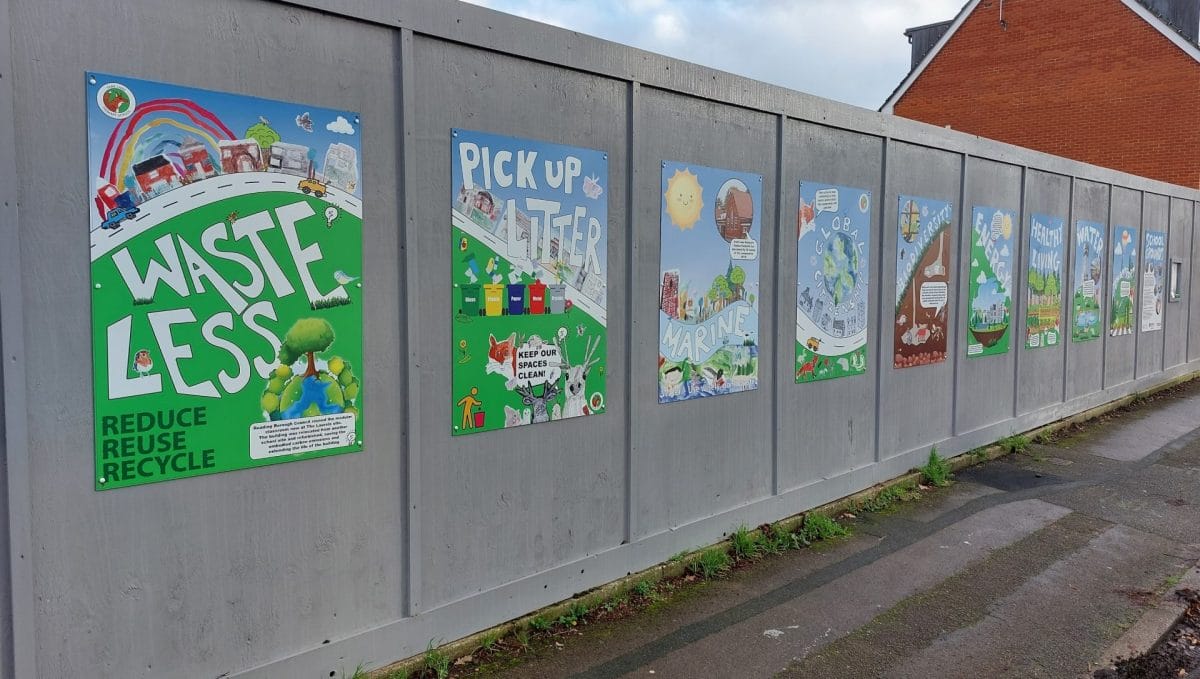
Creativity was further celebrated through the Park Lane Art Hoarding Project. Francis Construction designed and fabricated a series of display panels for the site hoarding, which showcased artwork created by the pupils themselves. The colourful installation transformed the construction boundary into a vibrant celebration of the school community, allowing children to see their ideas and creativity become part of the project environment.
Sustainability formed an important part of the engagement programme. Pupils were encouraged to understand the positive environmental impact of the improvements being delivered at their schools. Through discussions about energy efficiency measures, biodiversity enhancements and the reuse of the modular building, children gained an appreciation of how construction can contribute to a more sustainable future. They were particularly inspired to learn that the improvements delivered at the Junior School over the previous five years had achieved energy savings equivalent to the annual consumption of around ten average family homes.